RULA engineers wear-resistant bends to mitigate the severe internal friction and impact damage inherent in high-velocity pneumatic conveying systems.
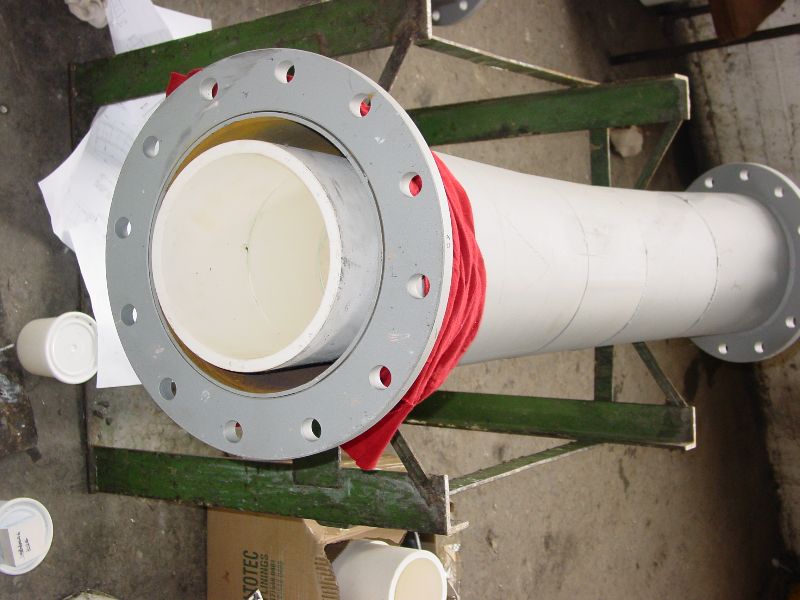
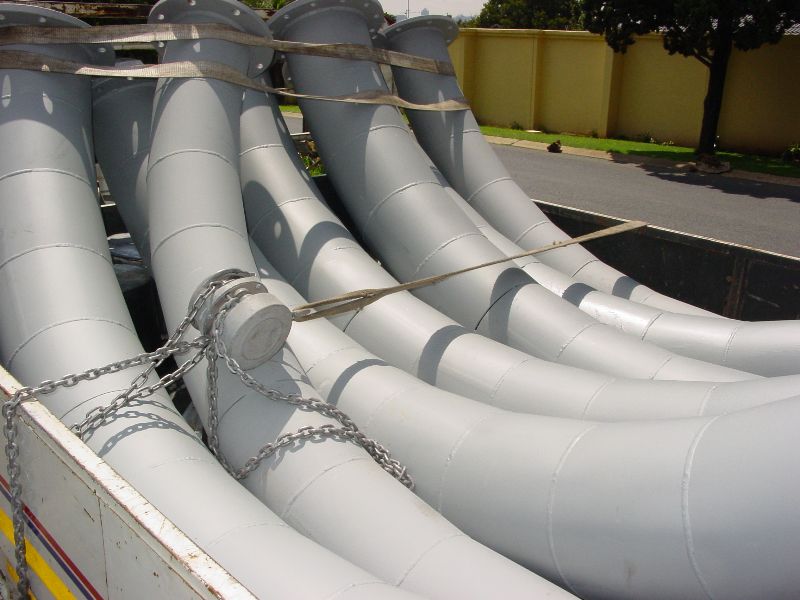
Designed to withstand the continuous friction between conveyed particles and internal pipe walls, extending operational life.
Engineered to handle varying conveying velocities that significantly influence the wear rate of pneumatic infrastructures.
Reinforced at critical Directional Change points where particles exert maximum impact against the conduit casing.
Extended wear-zone protection for immediate downstream sections where turbulence and secondary impacts are most severe.
In pneumatic conveying systems, the most significant wear occurs at pipe bends where the direction of flow changes. Particles collide with the outer wall at high speeds, creating localized stress and abrasion.
RULA's specialized bends are engineered to address both these primary impact zones and the immediate sections following the bend, ensuring consistent wall thickness and system integrity throughout the material transport cycle.